A healthy brain is one of life’s greatest assets. Are we giving it the care it deserves?
Every thought, memory, decision, and emotion begins with the brain. Yet, amid busy schedules, family responsibilities, careers, and everyday pressures, women’s brain health can easily take a back seat until something goes wrong.
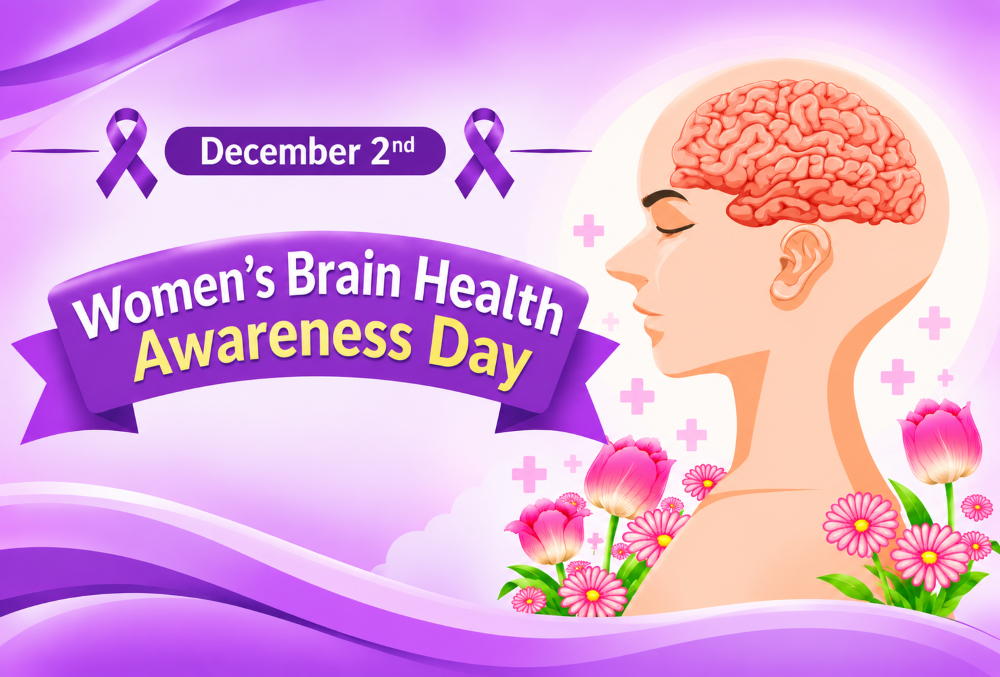
Women’s Brain Health Day, observed annually on December 2, is a reminder that caring for our brains should be a lifelong priority. From hormonal changes and migraines to Alzheimer’s disease, dementia, stroke, and depression, women face a range of brain health challenges that deserve greater awareness.
It is an opportunity to move beyond awareness and recognize that small, consistent lifestyle choices can make a meaningful difference in long-term cognitive well-being.
The Six Pillars of Brain Health
Brain health is influenced by more than genetics or age. Our daily habits and environment also play an important role. Six essential pillars provide a practical foundation for a healthier mind:
1. Exercise – Keep Your Brain Moving
Regular physical activity supports blood circulation to the brain, contributes to overall brain health, and may help maintain memory and cognitive function. Walking, swimming, dancing, or simply staying active throughout the day can make a difference.
2. Nutrition – Feed Your Mind
A balanced diet rich in vegetables, fruits, whole grains, healthy fats, and essential nutrients supports brain function. What we eat can influence both our physical and cognitive well-being.
3. Sleep – Give Your Brain Time to Recharge
Quality sleep helps the brain process information, consolidate memories, and restore itself. Establishing consistent sleep habits is an important part of maintaining cognitive health.
4. Mental Stimulation – Keep Learning
Reading, solving puzzles, learning a new language, exploring creative activities, or developing new skills challenges the brain and encourages lifelong learning.
5. Stress Management – Make Space for Calm
Ongoing stress can affect concentration, memory, and emotional well-being. Mindfulness, relaxation, physical activity, and taking time for yourself can help support a healthier balance.
6. Social Connection – Stay Connected
Meaningful relationships and social interaction contribute to emotional well-being and cognitive health. Conversations, friendships, family activities, and community involvement all help keep us connected.
Women’s Brain Health Through Every Stage of Life
Hormonal changes, pregnancy, menopause, aging, lifestyle factors, and certain medical conditions can influence women’s brain health in different ways.
Recognizing changes, seeking medical advice when needed, and taking preventive steps are important throughout life. Brain health deserves attention long before concerns develop.
Protecting Your Health Also Means Planning Ahead
Taking care of your brain is part of taking care of your future. While healthy habits support overall well-being, unexpected illnesses or health challenges can bring emotional and financial pressures.
At Insufin, we believe that protecting your well-being also means being prepared for life’s uncertainties. Options such as health Insurance, critical Illness Insurance, disability Insurance, and life Insurance can help provide financial protection when unexpected circumstances affect you or your family.
Make Your Brain a Priority
This December 2, let purple remind us that brain health deserves attention, awareness, and action. Exercise your body, nourish your mind, get enough sleep, keep learning, manage stress, and stay connected, because a healthier future begins with the choices we make today.