Book Consultation: Virtual or in-Person

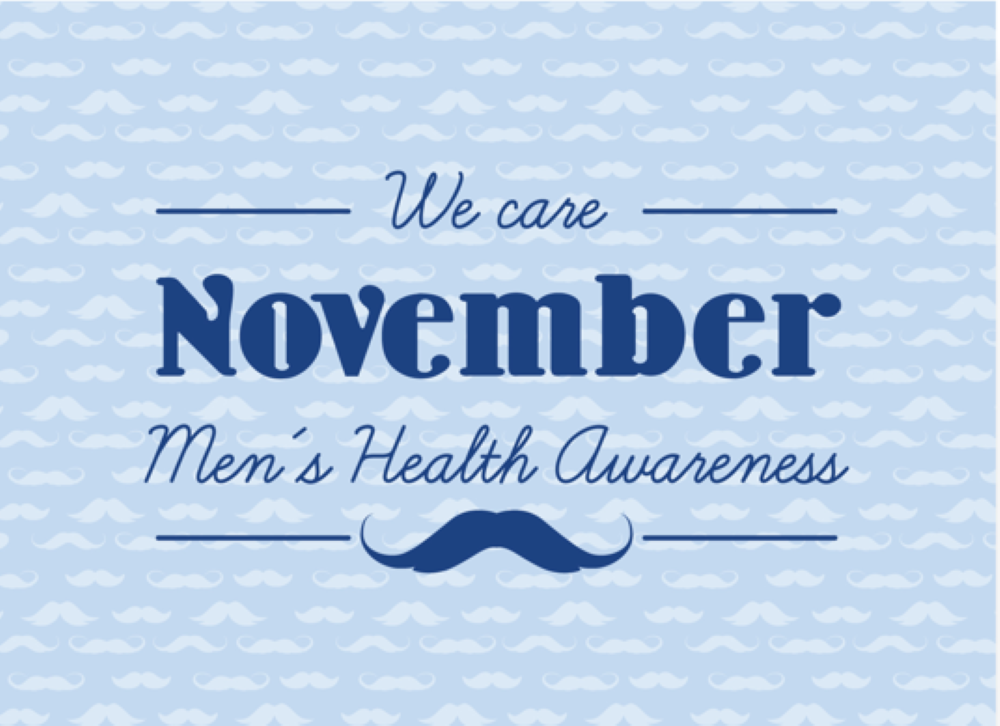
Movember

Movember

Growing Awareness, Supporting Men’s Health, and Protecting the Future

November is more than a month for growing moustaches. It is an opportunity to start important conversations about men’s health, encourage early detection, and remind men that taking care of themselves is just as important as taking care of the people they love.

Movember, observed throughout November, is a global movement dedicated to raising awareness and supporting initiatives related to men’s health. Through its familiar moustache-growing tradition, the campaign encourages people to talk openly about health issues that are sometimes overlooked, misunderstood, or left unaddressed.

From prostate and testicular cancer to mental health and suicide prevention, Movember highlights an important message: men’s health deserves attention, understanding, and action.

Understanding the Health Issues Behind Movember

Movember focuses on three major areas of men’s health that deserve greater awareness and attention.

1. Prostate Cancer: Awareness Can Make a Difference

Prostate cancer is one of the most common cancers affecting men. The risk generally increases with age, and family history can also play an important role.

Although some men experience no symptoms in the early stages, others may notice changes such as difficulty urinating, more frequent urination, blood in the urine, or discomfort. These symptoms do not necessarily indicate cancer, but they should be discussed with a healthcare professional.

Understanding personal risk factors and discussing appropriate screening options with a doctor can help men make informed decisions about their health.

2. Testicular Cancer: Know Your Body

Testicular cancer is particularly important for younger men, as it is the most common cancer among young men globally.

Being familiar with what is normal for your body can help you recognize unusual changes. A lump, swelling, a feeling of heaviness, or persistent discomfort in a testicle should be evaluated by a healthcare professional.

The encouraging message is that testicular cancer is highly treatable, particularly when identified early. Awareness, attention to changes, and timely medical advice matter.

3. Mental Health: Strong Men Ask for Help

Physical health is only one part of overall well-being. Mental health is equally important, yet many men still find it difficult to discuss stress, anxiety, depression, loneliness, or emotional struggles.

Social expectations, workplace pressures, financial responsibilities, family commitments, and major life changes can all affect mental well-being.

Movember encourages men to break the silence and recognize that asking for help is not a weakness. Sometimes, a conversation with a friend, family member, counsellor, or healthcare professional can be an important first step.

Checking in on the men around us, listening without judgment, and creating an environment where people feel comfortable speaking openly can make a meaningful difference.

Small Steps That Can Have a Lasting Impact

Looking after men’s health does not require dramatic lifestyle changes. Consistent, practical steps can contribute to better physical and mental well-being.

Consider these important habits:

  • Schedule regular medical checkups: Discuss age, family history, risk factors, and appropriate screening with your healthcare professional.
  • Stay physically active: Regular exercise supports cardiovascular health, physical fitness, and emotional well-being.
  • Maintain a balanced diet: Healthy eating habits can help reduce the risk of several chronic health conditions.
  • Prioritize mental well-being: Make time for rest, relationships, hobbies, and activities that help manage stress.
  • Talk openly: Share concerns, seek professional support when needed, and encourage friends and family members to do the same.
  • Don’t ignore warning signs: Changes in physical or emotional health deserve attention rather than postponement.

Most importantly, make health a priority throughout the year, not just during November.

Men’s Health, Financial Protection, and a Healthier Future

A serious health condition can affect much more than physical well-being. A cancer diagnosis, major illness, injury, or extended period of recovery may also create financial challenges for individuals and their families.

Even with Canada’s public healthcare system, certain expenses and financial consequences may not be fully covered. Prescription medications, additional healthcare services, rehabilitation, travel for treatment, household expenses, and lost employment income can place considerable pressure on a family’s finances.

This is why financial protection should be an important part of planning for the unexpected.

At Insufin, we believe that protecting your health and protecting your financial future should go hand in hand. Depending on individual circumstances and eligibility, different insurance solutions can help provide financial support when unexpected events occur:

  • Life Insurance: Helps provide financial security for loved ones in the event of the insured person’s death.
  • Critical Illness Insurance: Provides a lump-sum benefit following the diagnosis of a covered critical illness, subject to policy conditions.
  • Disability Insurance: Helps replace a portion of lost income if an illness or injury prevents you from working.
  • Health Insurance: Can help cover eligible healthcare expenses not fully covered by provincial health insurance.
  • Travel Insurance: Can help protect against unexpected emergency medical expenses while travelling outside your province or country.

The right combination of protection depends on your health circumstances, family responsibilities, financial commitments, and existing coverage. Planning ahead is particularly important because age, medical history, and health conditions can affect insurance eligibility and premiums.

This Movember, make your health a priority. Take time to check in with yourself and the men in your life, encourage open conversations about physical and mental well-being, and don’t postpone important medical appointments.

Growing a moustache may start a conversation, but taking action can make a lasting difference.

Because taking care of yourself is also a way of taking care of the people who matter most.

At Insufin, we are here to help you explore insurance solutions that support your health, income, and family’s financial security.

Your health deserves attention. Your future deserves protection.

This article is intended for general awareness and educational purposes only and does not constitute medical, insurance, or financial advice. Insurance coverage is subject to eligibility, underwriting, policy terms, exclusions, limitations, and other applicable conditions.
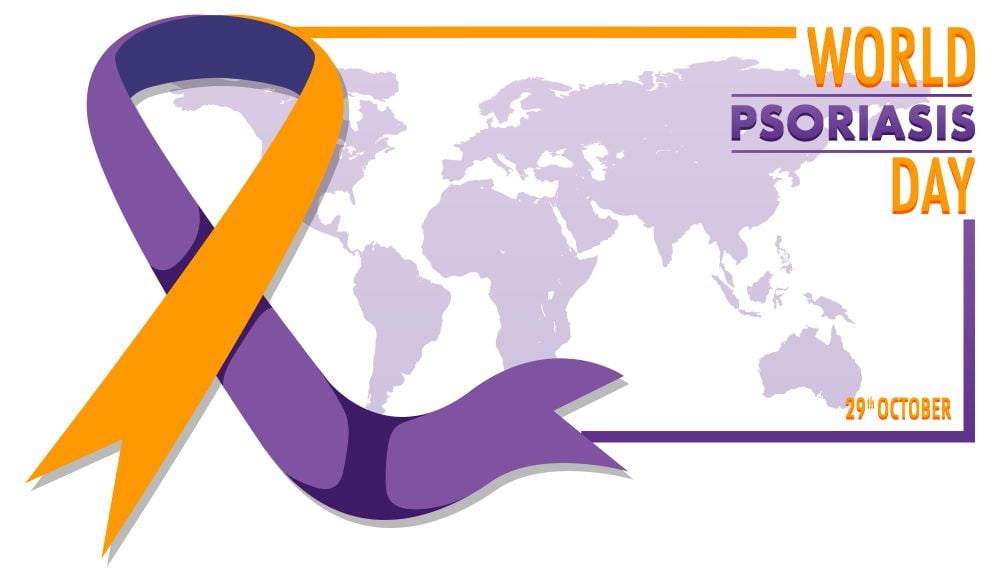

World Psoriasis Day: Look Beyond My Skin

Cq4l tjsz

October 29, 2026

What do we really see when we look at someone? Sometimes, we notice their appearance before we have the chance to discover their personality, experiences, or dreams. For people living with psoriasis, this can be an everyday reality.

Observed annually on October 29, World Psoriasis Day raises awareness of psoriasis and psoriatic arthritis, challenges misconceptions, and promotes better understanding of the people affected by these conditions. The 2026 campaign theme, “Look Beyond My Skin,” encourages us to see beyond visible symptoms and recognize the person behind them.

Understanding Psoriasis: More Than a Skin Condition

Psoriasis is a chronic inflammatory condition that can cause red or discoloured patches, scaling, itching, soreness, and discomfort. Symptoms vary from person to person and may improve or flare up over time.

One important fact is that psoriasis is not contagious. It cannot be transmitted through touching someone, sharing everyday items, or spending time together. Nevertheless, misunderstandings about the condition can lead to unnecessary embarrassment, social exclusion, and unfair assumptions.

Psoriasis can affect more than the skin. Some people also develop psoriatic arthritis, which can cause joint pain, stiffness, and swelling. The condition may affect sleep, everyday activities, self-confidence, and emotional well-being.

For young people, these challenges can be particularly difficult. School, friendships, relationships, and the transition into working life are already periods of change. Worrying about visible symptoms or how others might react can add another layer of stress.

Why Looking Beyond Appearances Matters

Living with a visible health condition does not tell the whole story of a person’s life. Someone may be managing discomfort while studying, working, caring for family members, or pursuing personal goals.

We can all help make everyday experiences more supportive by taking a few simple steps:

  • Challenge misconceptions: Understand that psoriasis is not contagious and that visible symptoms do not reveal the full extent of someone’s experience.
  • Listen without judgment: Allow people to share their experiences without unwanted advice, criticism, or assumptions.
  • Encourage inclusion: Everyone deserves to participate in school, work, and social activities without feeling defined by a health condition.
  • Recognize emotional well-being: Living with a chronic condition can be stressful. Compassion, understanding, and appropriate support can make a difference.

Awareness is not just about learning the medical facts. It is also about creating an environment where people feel respected, accepted, and comfortable being themselves.

Caring for Your Health and Preparing for the Unexpected

Managing psoriasis may involve ongoing medical care, follow-up appointments, and treatment tailored to individual needs. Anyone experiencing persistent skin symptoms or possible joint problems should consult a qualified healthcare professional for assessment and appropriate care.

Health challenges can also have practical and financial implications. Depending on a person’s circumstances, medical expenses, time away from work, or a loss of income may place additional pressure on an individual or family. Understanding your existing benefits and considering potential gaps in protection can be a valuable part of preparing for life’s uncertainties.

At Insufin, we believe that financial preparedness should reflect each person’s needs, responsibilities, and circumstances. Our insurance options include, but are not limited to, life, health, critical illness, disability, and travel insurance. Depending on the policy, these types of coverage may help address eligible healthcare expenses, income interruption, covered critical illnesses, family financial responsibilities, or unexpected medical emergencies while travelling.

For people living with psoriasis or another pre-existing condition, insurance eligibility and coverage depend on the product, medical disclosures, the insurer’s underwriting requirements, and the specific policy wording. A pre-existing condition does not necessarily result in the same outcome with every insurer. It is important to disclose medical information accurately and understand any applicable exclusions, limitations, and eligibility requirements before purchasing coverage.

Insurance cannot prevent psoriasis or replace medical treatment, but understanding your options can help you make more informed decisions about protecting your financial well-being.

This World Psoriasis Day, See the Person Behind the Condition

The message of “Look Beyond My Skin” reminds us that every person has a story that extends beyond their appearance or health condition. A diagnosis does not define someone’s abilities, ambitions, relationships, or future.

This October 29, let us challenge stigma, replace misconceptions with understanding, and make room for greater empathy in our communities. At the same time, let us remember the value of caring for our health, reviewing our financial priorities, and preparing for the unexpected.

At Insufin, we help individuals and families explore insurance solutions that may support their health-related needs, financial responsibilities, and peace of mind.

Look beyond what is visible today, and take thoughtful steps toward a more prepared tomorrow.

This article is intended for general awareness and educational purposes only and does not constitute medical, insurance, or financial advice. Insurance coverage is subject to eligibility, underwriting, policy terms, exclusions, limitations, and other applicable conditions.
Is your Employer’s Critical Illness Insurance Enough?

Are you covered healthcare insurance protection concept

Updated October 27, 2026

If your employer provides a group benefits package, you may already have valuable insurance coverage. Depending on the plan, these benefits could include prescription drugs, dental care, disability insurance, and critical illness insurance.

But having employee benefits doesn’t necessarily mean you’re fully protected against the financial consequences of a serious illness.

The important question isn’t simply whether you have insurance. It’s whether your existing coverage would be sufficient if your health, income, and financial responsibilities changed unexpectedly.

Let’s explore what you should know.

1. Disability Insurance vs. Critical Illness Insurance: Understanding the Difference

Although disability insurance and critical illness insurance both provide financial protection against health-related risks, they serve different purposes.

Disability Insurance: Protecting Your Income

Disability insurance is generally designed to replace a portion of your income if an illness or injury prevents you from working, according to the definition of disability in your policy.

Benefits are typically paid monthly, following an applicable waiting period, and may continue for a specified period as long as the policy’s requirements are met.

Its primary purpose is to help you manage ongoing financial obligations when you’re unable to earn your regular income.

Critical Illness Insurance: Providing a Lump-Sum Benefit

Critical illness insurance works differently.

If you’re diagnosed with a covered medical condition and meet all applicable policy requirements, you may receive a predetermined lump-sum payment.

For example, a $100,000 critical illness policy could provide a $100,000 benefit following a qualifying diagnosis.

Unlike disability insurance, the benefit generally does not require you to demonstrate an inability to work. Eligibility depends on the policy’s specific medical definitions and other contractual conditions.

The funds can generally be used at your discretion, whether for household expenses, debt repayment, medical-related costs, or financial support during recovery.

Why Both Types of Coverage Matter

A serious illness can create expenses beyond lost income.

While disability insurance may replace some earnings, a critical illness benefit may provide additional financial flexibility for costs such as:

  • Mortgage payments and outstanding debts
  • Travel and accommodation for specialized medical care
  • Home modifications or accessibility improvements
  • Home care or assistance from family members
  • Medical services or treatments not covered by existing plans
  • Unexpected household expenses

The two forms of coverage can therefore complement one another rather than serve as substitutes.

2. Four Questions to Ask About Your Group Benefits Plan

Before assuming your employer’s coverage is sufficient, consider these four questions.

Question 1: Does Your Plan Include Critical Illness Insurance?

Not every employee benefits package includes critical illness protection.

Your plan may provide extended health care, dental benefits, and disability coverage without offering any lump-sum critical illness benefit.

Start by reviewing your employee benefits booklet or certificate of insurance.

Question 2: Is the Benefit Amount Adequate?

Some group plans may provide relatively modest critical illness benefits, such as $10,000 or $25,000.

Those amounts can offer meaningful assistance, but whether they are sufficient depends on your personal financial circumstances.

Consider your outstanding debts, household expenses, emergency savings, dependants, and possible additional medical or caregiving costs.

The appropriate amount of coverage should reflect your actual financial exposure rather than simply the amount provided by your employer.

Question 3: Which Medical Conditions Are Covered?

Critical illness policies are governed by precise contractual definitions.

A diagnosis alone does not automatically guarantee a benefit.

Two policies may list the same illness but apply different medical criteria, exclusions, limitations, or waiting and survival requirements.

When reviewing coverage, consider the definitions of covered conditions rather than relying solely on the number of illnesses listed.

Question 4: What Happens When You Change Jobs or Retire?

Group benefits are often connected to employment.

Coverage may be reduced or discontinued when you leave your employer, retire, reach a specified age, or experience changes to your employer’s benefits program.

Some group policies offer continuation or conversion privileges, subject to specific requirements and deadlines. These options are not universally available.

Purchasing new personal insurance later may also be more expensive, and changes in your health could affect your eligibility.

3. Group vs. Personal Critical Illness Insurance

Personal critical illness insurance can offer greater control over the amount and duration of coverage.

It can generally remain in force independently of your employer, provided premiums are paid and contractual conditions are satisfied.

FeatureGroup Critical Illness InsurancePersonal Critical Illness Insurance
AvailabilityDepends on the employer’s planPurchased individually
Coverage amountPrimarily determined by the group planSelected from available insurer options
Covered conditionsBased on the group contractBased on the individual contract
Coverage durationOften linked to employment, age, or plan provisionsBased on the selected policy term
PortabilityMay be limited or subject to conversion rulesGenerally independent of employment
Additional featuresDepends on the group planMay include optional benefits or support services

Important: Coverage, pricing, eligibility, policy definitions, and available options vary by insurer and contract.

Can You Receive Benefits From Both Policies?

Potentially, yes.

If you have both group and personal critical illness coverage, the same qualifying illness may result in a benefit under each policy.

Each claim must independently satisfy the relevant policy definitions and requirements.

4. Why Business Owners Should Pay Special Attention

Critical illness insurance may also play an important role in business continuity planning.

For a business owner, shareholder, or key employee, a serious diagnosis can affect not only personal finances but also the company’s operations and financial stability.

Depending on the policy structure, business-owned critical illness insurance may provide funds to help:

  • Recruit and compensate a replacement manager
  • Cover ongoing operating expenses
  • Maintain loan and other financial obligations
  • Support business continuity during a temporary disruption
  • Finance certain shareholder arrangements, where appropriately structured

For example, a critical illness policy may form part of a shareholder buy-sell planning strategy.

Business-owned arrangements require careful attention to policy ownership, beneficiaries, contractual provisions, and potential tax and legal implications.

5. How Much Critical Illness Coverage Do You Actually Need?

There is no universal coverage amount suitable for everyone.

An effective review considers several factors, including your existing benefits, family expenses, debts, savings, employment stability, and overall financial responsibilities.

A useful starting point is to ask:

  • What critical illness coverage do I currently have through work?
  • How much would the policy pay after a qualifying diagnosis?
  • Which illnesses and medical conditions are covered?
  • Would the coverage continue if I changed employers or retired?
  • Could a personal policy help address any identified protection gaps?

A needs-based insurance review can help you determine whether additional coverage is appropriate.

The Bottom Line

Employer-sponsored group insurance can be an important part of your financial protection strategy.

However, the amount of coverage, conditions for receiving benefits, and potential loss of coverage following employment changes all deserve careful consideration.

Personal critical illness insurance may complement your workplace benefits by providing additional coverage and greater independence from your employment.

The objective is not necessarily to purchase more insurance. It is to ensure your existing protection is appropriate for your financial circumstances.

Review Your Critical Illness Coverage With Insufin

At Insufin Inc., we help individuals, families, and business owners review existing insurance protection, identify potential gaps, and assess available coverage options based on their financial needs.

Website: www.insufin.com

Phone: 9053700011

Disclaimer: This article is intended for general educational purposes only and does not constitute individualized insurance, legal, or tax advice. Product availability, benefits, exclusions, eligibility requirements, waiting periods, and claims conditions vary by insurer and policy.

Topic reference: Desjardins Financial Security Independent Network, October 26, 2026.

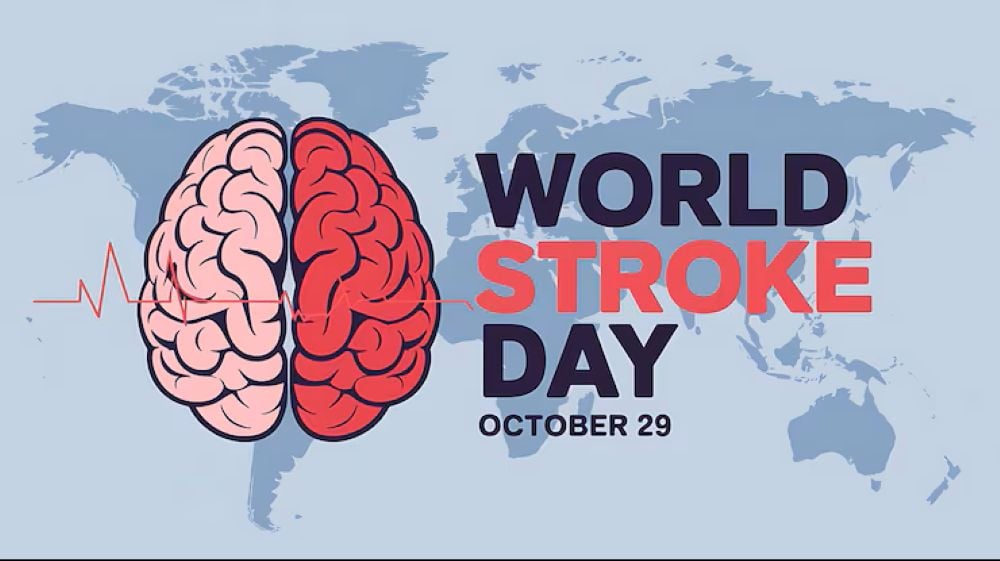
World Stroke Day

World stroke day image vector illustration 1288538

Protect Your Health, Prepare for the Unexpected

Every year on October 29, World Stroke Day raises awareness of stroke, its potentially life-changing consequences, and the importance of prevention, early recognition, and timely medical care. It is also an opportunity to reflect on how we can protect not only our health but also our financial well-being and the people who depend on us.

A stroke can happen suddenly, affecting a person’s ability to speak, move, think, or carry out everyday activities. Although strokes are more common among older adults, they can affect people of different ages. The consequences may extend beyond the individual, placing emotional, practical, and financial pressure on family members and caregivers.

This World Stroke Day, consider an important question: Are you prepared for life’s unexpected health challenges?

Recognizing Stroke: Every Second Matters

A stroke occurs when blood flow to part of the brain is interrupted or when a blood vessel in the brain ruptures. Recognizing the warning signs and seeking emergency medical attention immediately can make a critical difference.

Remember the FAST warning signs:

  • F — Face: Is one side of the face drooping?
  • A — Arms: Is one arm weak or difficult to raise?
  • S — Speech: Is speech slurred or difficult to understand?
  • T — Time: Call 911 immediately if you notice these signs.

Other symptoms can include sudden vision problems, loss of balance, dizziness, or a severe, unexplained headache. Never wait to see whether symptoms improve. Even if they disappear, urgent medical assessment is essential.

In Canada, provincial health insurance covers many medically necessary hospital and physician services for eligible residents. However, recovery may involve additional expenses, rehabilitation, time away from work, and ongoing caregiving responsibilities.

Prevention Begins with Everyday Choices

Although not every stroke can be prevented, adopting healthier habits and managing medical risk factors can help reduce the likelihood of experiencing one. Maintaining healthy blood pressure and cholesterol levels, managing blood sugar, staying physically active, eating a balanced diet, avoiding smoking, and following medical advice are important steps toward better cardiovascular health.

Regular medical checkups can help identify potential risk factors before they become more serious. If you have concerns about your health, consult a qualified healthcare professional for advice tailored to your circumstances.

While prevention is essential, preparing for the unexpected is equally important. Even people who take excellent care of their health can experience sudden medical emergencies, making it worthwhile to consider how they and their families would manage financially during a difficult period.

Financial Preparedness: Protect Your Future

The effects of a stroke vary from person to person. While some individuals recover relatively quickly, others may require months or years of rehabilitation, ongoing assistance, or adjustments to their daily lives. Recovery can also bring financial challenges, particularly when a person cannot return to work immediately, household income decreases, or additional expenses arise while everyday financial commitments continue.

Although prevention and timely medical care are essential, preparing for unexpected health challenges is equally important:

  • Critical Illness Insurance may provide a lump-sum benefit if a stroke meets the policy’s definition and requirements, while
  • Disability Insurance may help replace a portion of lost income when a covered disability prevents someone from working.
  • Health Insurance may help cover eligible healthcare expenses not fully paid by provincial health insurance or an employer plan.
  • Life Insurance can help protect loved ones financially in the event of the insured person’s death.
  • Travel Insurance, including emergency travel medical coverage, may help cover eligible emergency medical expenses if a stroke occurs while travelling, subject to policy terms and exclusions.

At Insufin, we understand that everyone’s needs and circumstances are different. Exploring suitable options can help you make informed decisions about protecting your health, income, and family. Reviewing your existing coverage or considering insurance for the first time is a valuable step toward greater financial preparedness.

This World Stroke Day, take time to learn the warning signs of stroke, adopt healthier habits, and consider how you can prepare for life’s uncertainties. While we cannot predict every challenge, we can take meaningful steps today to help protect our future and the people who matter most.

Insurance coverage and benefits are subject to eligibility, underwriting, policy definitions, limitations, and exclusions. Not every stroke or medical event qualifies for a critical illness benefit. This article is for general informational purposes only and is not a substitute for medical advice or an individualized insurance recommendation.

Brain Cancer Awareness Day

71363fc4 bf7d 4bf9 a42d 381e6aeae131

More Awareness, More Hope, Better Preparedness

Brain cancer awareness is about more than understanding a disease. It is about recognizing the importance of research, early medical assessment, compassionate support, and helping individuals and families navigate the uncertainty that a serious diagnosis can bring.

On October 24, Brain Cancer Awareness Day offers an opportunity to learn more about brain cancer, show support for those affected, and reflect on how we can better prepare for life’s unexpected challenges.

Understanding Brain Cancer

Brain cancer occurs when abnormal cells grow uncontrollably in the brain. Brain tumours can be benign (non-cancerous) or malignant (cancerous), and their effects depend on factors such as their location, type, and growth rate. Malignant brain tumours can affect essential functions, including movement, speech, memory, and behaviour.

Symptoms vary from person to person. Depending on the condition, they may include persistent or worsening headaches, seizures, changes in vision, difficulties with balance, or changes in thinking and personality. These symptoms can have many causes and do not necessarily indicate cancer. However, new, persistent, or concerning symptoms should be assessed by a healthcare professional.

Increasing awareness helps people recognize when to seek medical advice, understand their diagnosis, and have informed conversations with their healthcare team. Research and advances in treatment also continue to play an important role in improving care and outcomes.

The Impact Goes Beyond the Diagnosis

A serious illness can affect far more than physical health. Patients and their families may face emotional stress, changes to everyday routines, time away from work, travel for treatment, and additional expenses. Family members may also take on caregiving responsibilities while trying to maintain their own personal and professional commitments.

Every person’s experience is different, and not every family will face the same challenges. Still, having reliable support, access to appropriate healthcare, and a financial plan can help reduce some of the uncertainty during an already difficult time.

Awareness is an important first step. Preparedness is another way to support the people who matter most.

Why Financial Protection Matters

When health circumstances change unexpectedly, financial stability can become an important part of the bigger picture. Insurance cannot prevent illness or remove every financial burden, but suitable coverage may help individuals and families manage certain expenses, protect income, and maintain greater financial flexibility.

At Insufin Insurance, we understand that protecting your future involves more than one consideration. Different insurance solutions can address different needs, depending on your circumstances, eligibility, policy terms, and budget:

Start a Conversation About Your Protection Needs

Brain Cancer Awareness Day reminds us that while we cannot predict every challenge, we can take thoughtful steps to prepare for some of life’s uncertainties.

Consider reviewing your existing coverage, understanding any benefits available through your employer, and identifying potential gaps in your protection. Think about the people who depend on your income, the expenses your household would need to manage during a difficult period, and the financial resources available to support you.

At Insufin Insurance, we offer guidance on life, critical illness, disability, health, and travel insurance to help individuals and families explore options suited to their needs. Coverage availability and benefits vary by policy, eligibility, and individual circumstances.

You do not need to wait for a major life event to start planning. A conversation today may help you make more informed decisions for tomorrow.

More Awareness. More Hope. Better Preparedness.

This Brain Cancer Awareness Day, let us recognize those living with brain cancer, honour the strength of patients and caregivers, and support continued awareness, research, and compassionate care.

Because protecting your health journey also means thinking about the financial well-being of the people you love.

Learn more about your insurance options with Insufin Insurance and take a thoughtful step toward a more prepared future.

mohammad rahimian
Moe Rahimian - Insurance Broker, Toronto
My reputation is more important than my paycheck.
Direct phone number:
📞 905-370-0011
Rahimian Insurance Company has been operating in Canada since 2002. We are an official member of the Insurance and Financial Advisors of Canada. We offer individual, group, and investment insurance services. I, Mohammad Rahimian, along with my experienced colleagues, am at your service—offering free consultations with our expertise in the field of insurance.