Book Consultation: Virtual or in-Person

Sudden Unexpected Death in Epilepsy Action Day:

8bd93d3c 52ac 41dc a56d 4690e3e74a49

Awareness That Can Make a Difference

For people living with epilepsy, seizures are often the biggest concern. But there is another, less widely known risk that deserves attention: Sudden Unexpected Death in Epilepsy (SUDEP).

SUDEP refers to the sudden, unexpected death of a person with epilepsy when no other clear cause of death is found. Researchers are still studying exactly why it happens, but changes in breathing, heart rhythm, and brain function following a seizure may play a role. SUDEP is uncommon, but understanding it can help people make informed decisions about their health and safety.

Why Awareness Matters

The risk of SUDEP is higher among people whose seizures are not well controlled, particularly those who experience frequent generalized tonic-clonic seizures. Seizures during sleep and missed anti-seizure medications may also increase risk.

While SUDEP cannot always be prevented, better seizure control is an important step toward reducing risk.

Simple Steps That Matter

If you or someone you love has epilepsy:

  • Take prescribed medication consistently and speak with a healthcare professional before making any changes.
  • Keep regular medical appointments and discuss whether seizures are adequately controlled.
  • Track seizures and possible triggers, including changes in sleep, medication, or lifestyle.
  • Prioritize healthy sleep and follow appropriate safety precautions around activities such as swimming or bathing.
  • Teach family members and close friends basic seizure first aid so they know how to respond.
  • If seizures occur during sleep, ask a healthcare professional about nighttime safety and monitoring options.

These steps do not guarantee that SUDEP will be prevented. However, they can support safer seizure management and encourage important conversations with healthcare professionals.

Don’t Let Fear Stop the Conversation

Talking about SUDEP can be uncomfortable, especially for families already dealing with epilepsy. But awareness is not about creating fear—it is about being informed and prepared.

SUDEP Action Day provides an opportunity to ask questions, review seizure management, learn about individual risk, and make sure the people close to you know how to respond during a seizure.

Protecting Health—and What Matters Most

Unexpected health events can affect more than physical well-being. They can also place financial pressure on individuals and families through medical expenses, time away from work, or changes in income.

At Insufin, we help individuals and families explore different types of insurance protection, including  life, health, critical illness, disability, and travel insurance. The appropriate coverage depends on each person’s circumstances, needs, and eligibility. Planning ahead can help provide financial protection when life takes an unexpected turn.

Awareness Today, Preparedness for Tomorrow

SUDEP Action Day reminds us that knowledge can lead to action. Understanding epilepsy, managing seizures, staying connected with healthcare professionals, and thinking ahead about personal and financial protection are all meaningful parts of being prepared.

We cannot predict everything that life may bring. But we can take thoughtful steps to protect ourselves and the people who depend on us.


World Spine Day

Happy doctor using medical application

Spine Health for Life

Every year on October 16, World Spine Day raises awareness of spinal health and the importance of maintaining mobility, independence, and quality of life. The 2026 theme, “Spine Health for Life,” reminds us that caring for our spine is not just a response to pain or injury—it is an ongoing commitment that matters at every age.

Our spine supports nearly everything we do, from walking and working to exercising, playing with our children, and enjoying time with family and friends. Yet, because many daily activities place demands on our backs and necks, spinal health can easily be overlooked until discomfort begins to interfere with everyday life.

Small Daily Habits Can Make a Lasting Difference

Maintaining a healthy spine begins with everyday choices. Regular physical activity, appropriate stretching, good posture, and taking movement breaks during long periods of sitting can all contribute to better spinal health. Using safe lifting techniques, arranging workspaces ergonomically, and maintaining a balanced lifestyle are also important steps.

It is equally important to pay attention to persistent or worsening back and neck pain rather than ignoring it. A qualified healthcare professional can help assess symptoms and recommend appropriate care. Seek urgent medical attention for severe symptoms or back pain accompanied by new leg weakness, numbness around the groin, or changes in bladder or bowel control.

Although not every spinal condition can be prevented, informed decisions and appropriate care can help people manage their health more effectively and maintain their ability to participate in the activities they value.

Spinal Health at Every Stage of Life

Our spinal health needs can change as we grow, work, raise families, and age. Students may spend hours studying at desks, working adults may experience strain from repetitive tasks or prolonged sitting, and older adults may face changes in mobility or balance. People with physically demanding jobs or active lifestyles may also need to pay particular attention to safe movement and recovery.

There is no single approach that suits everyone. Building sustainable habits, staying active within individual abilities, and seeking professional guidance when necessary can help support mobility and well-being over time.

World Spine Day is an opportunity to make these habits a priority—not just for one day, but throughout the year.

Health Protection and Financial Preparedness Go Hand in Hand

A health challenge can affect more than physical comfort. Depending on its severity and duration, a spinal condition or injury may lead to medical expenses, time away from work, changes in household responsibilities, or reduced income. The financial consequences can be particularly challenging when recovery takes longer than expected.

That is why personal financial preparedness deserves a place in the conversation about overall well-being. Alongside healthy habits and appropriate medical care, reviewing your insurance protection can help you understand how you and your family might manage certain unexpected events.

At Insufin, we offer a range of insurance solutions designed to address different protection needs:

  • Life Insurance: Helps provide financial support for the people who depend on you if you pass away.
  • Disability Insurance: Can replace a portion of your income if a covered disability prevents you from working, subject to the policy’s terms and conditions.
  • Critical Illness Insurance: Can provide a lump-sum benefit following diagnosis of a covered critical illness, as defined by the policy.
  • Health Insurance: Can help cover eligible healthcare expenses not fully covered by public health plans, depending on the policy.
  • Travel Insurance: Can help protect against eligible emergency medical expenses and other covered travel-related risks when away from home.

Each person’s circumstances are different, and coverage, eligibility, exclusions, and benefit amounts vary by policy. A spinal condition does not automatically qualify for disability or critical illness benefits, so it is important to understand the specific definitions and requirements of any coverage you consider.

Make Your Well-Being Part of Your Long-Term Plan

World Spine Day 2026 is a timely reminder that our health supports the lives we want to lead. Taking movement breaks, practising safe lifting, staying active within our abilities, and seeking appropriate medical advice are practical ways to give our spine the attention it deserves.

At the same time, reviewing your insurance needs can help you make informed decisions about financial protection for yourself and the people you care about. You do not need to wait for a health concern or a major life change to consider whether your current coverage still meets your needs.

This World Spine Day, invest in healthy habits, value your mobility, and take a thoughtful look at your financial protection. Insufin is here to help you explore insurance options that may fit your circumstances and future goals.

Protect your health. Prepare for the unexpected. Support your future.

Thanksgiving

58122

A Time to Be Grateful and Protect What Matters

Thanksgiving is a time to slow down, appreciate the people around us, and recognize the many things that make life meaningful. Whether it is sharing a meal with family, reconnecting with friends, or simply enjoying a quiet moment of gratitude, the holiday reminds us that some of the most valuable things in life cannot be measured in dollars.

It is also a natural time to think about the people and things we want to protect. We often plan for birthdays, vacations, education, and retirement, but unexpected events can affect our health, income, family, and financial security. While we cannot control everything that happens in life, having appropriate insurance protection can help us prepare for some of the uncertainties that come our way.

Life Insurance can help provide financial protection for the people who depend on us. It can help families manage financial responsibilities and maintain greater stability if they lose a loved one. For those thinking about their family’s long-term security, reviewing life insurance needs can be an important part of responsible planning.

Health and Critical Illness Insurance can provide another layer of protection. A serious illness can affect more than our physical well-being—it can also create additional expenses and financial pressures. Having appropriate coverage may help provide financial support during a challenging period, allowing individuals and families to focus more on recovery and less on financial concerns.

Our ability to earn an income is also something worth protecting. Disability Insurance can help provide income replacement when an illness or injury prevents someone from working. For many people, their income is one of their most important financial resources, making income protection an important consideration.

And because life includes more than home and work, travel Insurance can help protect against certain unexpected medical and travel-related expenses when we are away from home. Whether travelling to visit family or simply taking a well-deserved trip, appropriate coverage can provide an additional measure of peace of mind.

Thanksgiving is ultimately about appreciation—but gratitude and preparation can go hand in hand. Taking a moment to review your insurance coverage does not mean expecting the worst. It means recognizing what matters most and considering how you can help protect it.

This Thanksgiving, take time to enjoy the people, experiences, and moments you are grateful for. And as you look toward the future, remember that protecting what matters today can help create greater peace of mind for tomorrow.

From all of us at Insufin, we wish you and your loved ones a warm, happy, and meaningful Thanksgiving.

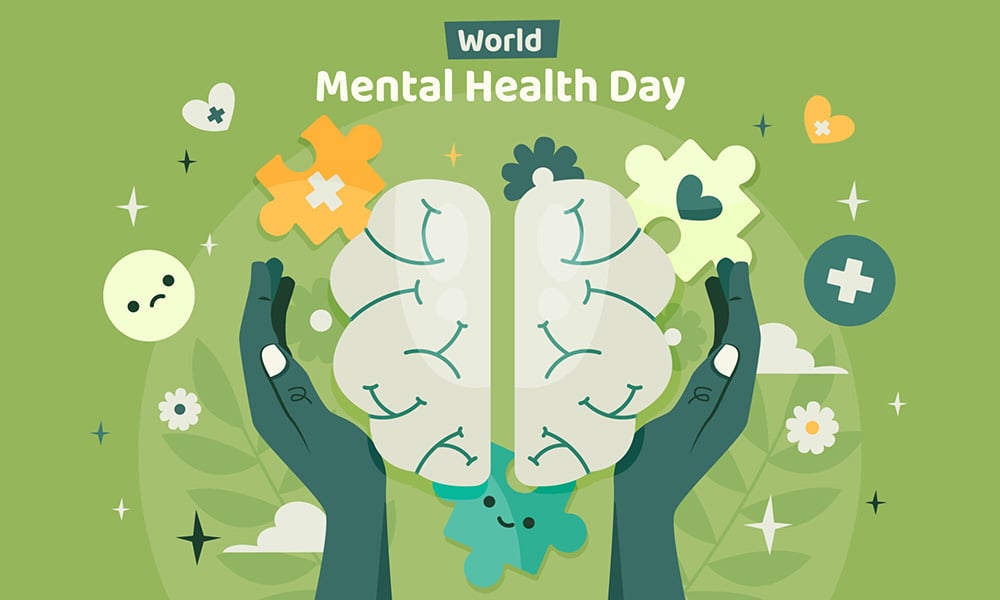
World Mental Health Day

1000

What begins in the mind can sometimes affect the whole body.

World Mental Health Day, observed on October 10, is an opportunity to recognize that mental health is an essential part of our overall well-being. Stress, anxiety, emotional exhaustion, and other mental-health challenges can affect sleep, concentration, relationships, work, and everyday life. When prolonged, they can also affect physical health and make existing health problems more difficult to manage.

When Mental Health and Physical Health Meet

Mental and physical health are closely connected. Ongoing stress and anxiety may affect the way we sleep, eat, work, and care for ourselves. At the same time, serious physical conditions—including heart disease, stroke, cancer, and other critical illnesses—can bring significant emotional and psychological challenges.

These situations can create another concern: financial pressure.

An illness or disability may reduce the ability to work and earn an income, while treatment, recovery, or other unexpected expenses can add to the burden. Financial uncertainty during a health crisis can make an already difficult situation even more challenging.

Protection Can Be Part of Being Prepared

Insurance cannot prevent illness or replace medical or mental-health care. However, appropriate protection can help reduce some of the financial uncertainty when unexpected events occur.

At Insufin, we help individuals and families explore different types of insurance, including:

  • Life Insurance – provides financial support for loved ones after your death.
  • Critical Illness Insurance – can provide a lump-sum benefit following a covered critical illness, offering financial flexibility during recovery.
  • Disability Insurance – can replace a portion of your income if an illness or injury prevents you from working.
  • Health Insurance – can provide additional coverage for eligible health-related expenses, depending on the plan.
  • Travel Insurance – can help protect against certain unexpected medical and travel expenses while away from home.

Your Mind. Your Body. Your Future.

Taking care of mental health means recognizing when you need support, maintaining healthy habits, and seeking professional help when appropriate. Being prepared financially is another part of looking after yourself and the people who depend on you.

This World Mental Health Day, take a moment to look at the bigger picture:
Care for your mind. Listen to your body. Protect your future.

At Insufin, we are here to help you understand your insurance options and choose protection that fits your circumstances.

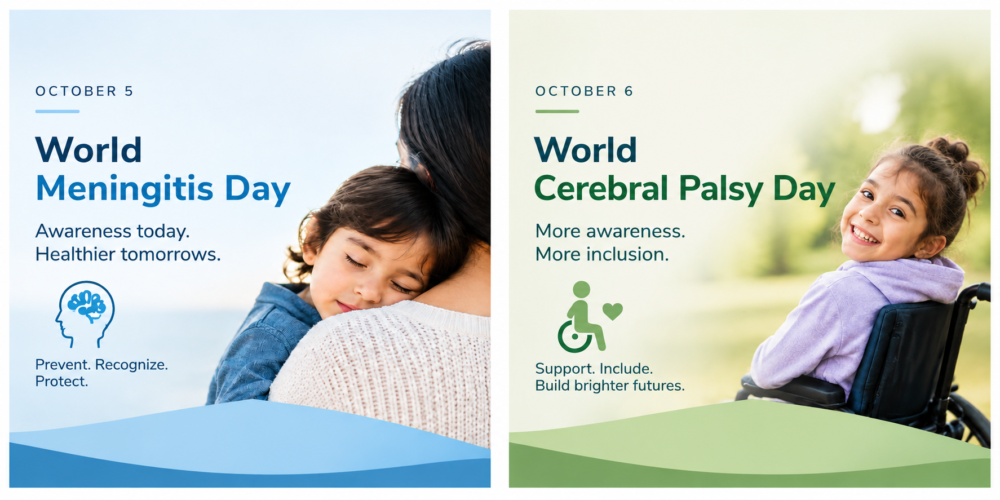
World Meningitis Day & World Cerebral Palsy Day

ChatGPT Image Sep 29, 2026, 11 53 09 AM

Two Days, One Important Message: Protec Brain Health to Prevent Disability

October 5 and 6 bring attention to two important health issues: World Meningitis Day and World Cerebral Palsy Day. Although meningitis and cerebral palsy are different conditions, they share an important connection through brain health and neurological disability. Meningitis is an inflammation of the tissues surrounding the brain and spinal cord and, in severe cases, can result in lasting complications such as hearing loss, seizures, or problems with movement and communication. Cerebral palsy is a group of conditions that affect movement, balance, and coordination as a result of abnormal development of, or damage to, the developing brain. Together, these awareness days highlight one important message: protecting brain health and supporting people affected by neurological conditions matter at every stage of life.

Prevention and early action are especially important when it comes to meningitis. Some forms can be prevented through vaccination, while recognizing serious symptoms and seeking medical attention promptly can help reduce the risk of severe complications. Cerebral palsy is different, and most cases cannot be prevented, but appropriate prenatal, newborn, and childhood healthcare can help address certain risks and support healthy development. Understanding these conditions helps individuals and families recognize the value of prevention, timely medical care, and long-term support.

The effects of a serious illness or disability can extend well beyond physical health. They may affect education, employment, independence, family responsibilities, and everyday activities, while also creating additional financial pressures. For individuals and families facing long-term health challenges, appropriate medical, rehabilitation, and community support can make an important difference. At the same time, being financially prepared can help families manage unexpected changes with greater confidence.

This is where financial protection can become part of a broader approach to health and family planning. Health insurance, life insurance, critical illness insurance, and disability insurance address different types of risks and can provide different forms of financial protection. Depending on an individual’s circumstances and policy terms, coverage may help with healthcare-related expenses, provide financial support to loved ones, provide a benefit following a covered critical illness, or help replace income when a covered disability prevents someone from working.

No insurance policy can prevent meningitis, cerebral palsy, or another serious health condition, and insurance should never replace appropriate medical care or prevention. However, having suitable coverage in place before an unexpected event occurs can help reduce some of the financial uncertainty that may accompany illness or disability. Reviewing your coverage from time to time can also help ensure that it continues to reflect your needs as your life and circumstances change.

World Meningitis Day and World Cerebral Palsy Day ultimately remind us that protecting health involves more than understanding medical conditions—it also means thinking ahead about the people and responsibilities that matter to us. Learning about prevention, recognizing the importance of early medical care, and considering appropriate health and financial protection can all be part of responsible planning. Awareness can help us prepare, prevention can help protect us, and thoughtful planning can help us face the unexpected with greater peace of mind.

mohammad rahimian
Moe Rahimian - Insurance Broker, Toronto
My reputation is more important than my paycheck.
Direct phone number:
📞 905-370-0011
Rahimian Insurance Company has been operating in Canada since 2002. We are an official member of the Insurance and Financial Advisors of Canada. We offer individual, group, and investment insurance services. I, Mohammad Rahimian, along with my experienced colleagues, am at your service—offering free consultations with our expertise in the field of insurance.